Research & Innovation
Understanding molecular recognition, cellular signaling, and therapeutic intervention through biocomputing, artificial intelligence, and experimental biochemical science
Research Vision
━━━
ArGansLab develops computational and experimental strategies to understand how biomolecules recognize, communicate, and respond to their environment. By integrating molecular simulations, artificial intelligence, structural biology, and biochemical validation, we seek to uncover fundamental mechanisms of human disease and translate these discoveries into next-generation therapeutics.
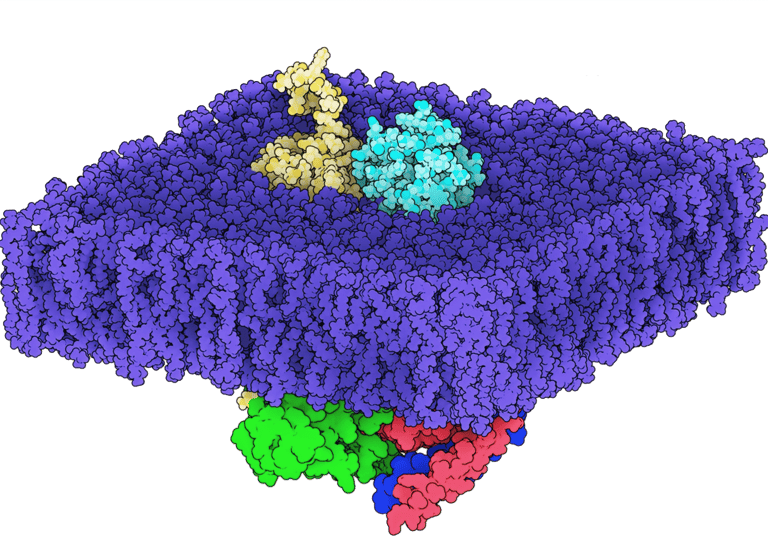
Our research spans neuroscience, cancer immunology, and molecular medicine, with particular emphasis on membrane proteins, immune checkpoint signaling, protein aggregation disorders, and AI-enabled drug discovery.
Research Themes
━━━
Molecular Mechanisms of CNS Signalling & Neurodegeneration
Cannabinoid Receptor Signalling
We investigate the molecular determinants of TDP-43 and hnRNPA1 aggregation associated with ALS, MS, and related neurodegenerative disorders.
Our work combines computational modelling, biophysical characterization, and experimental validation to identify aggregation hotspots and develop small molecules and peptides capable of disrupting pathogenic self-association.
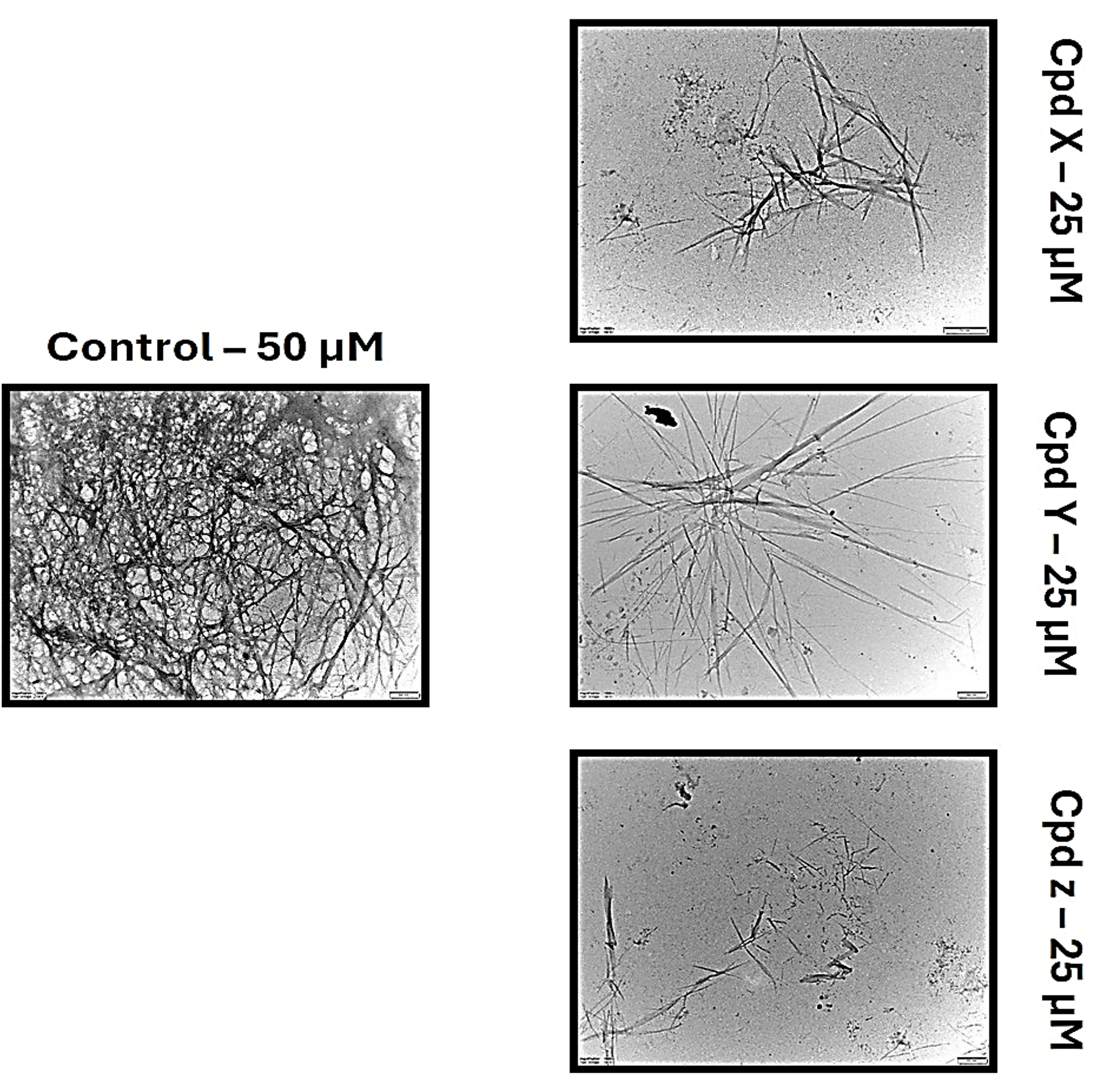
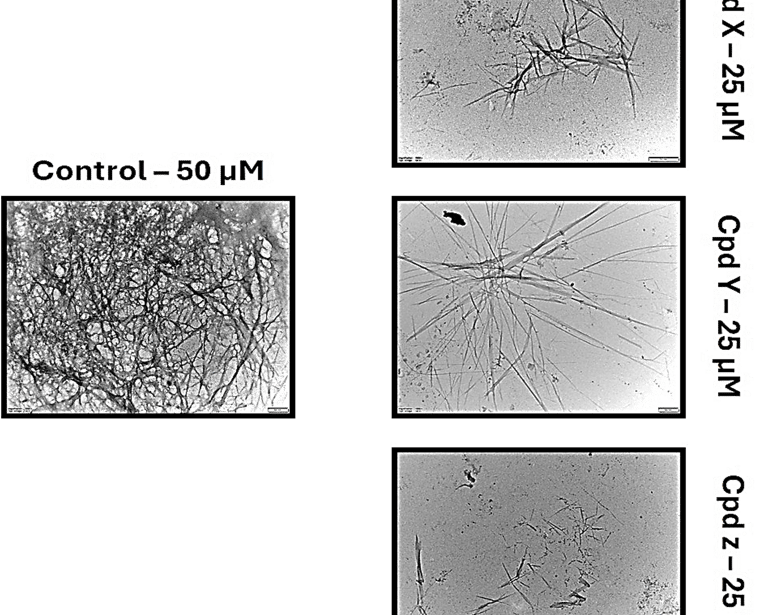
Protein aggregation leading to neurodegeneration
Understanding the structural basis of receptor activation, molecular recognition, G-protein coupling, and ligand dissociation to enable the development of next-generation cannabinoid therapeutics.
Research areas include CB1 and CB2 receptor biology, ligand recognition, G-protein coupling, receptor multimerization, allosteric regulation, and therapeutic discovery.
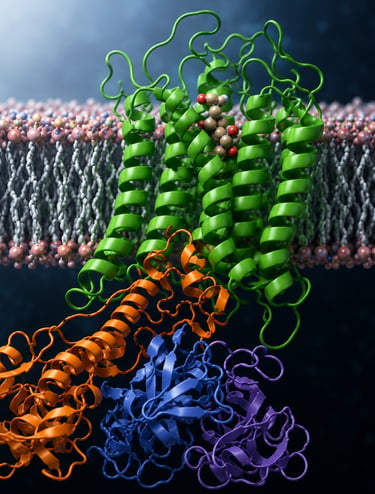
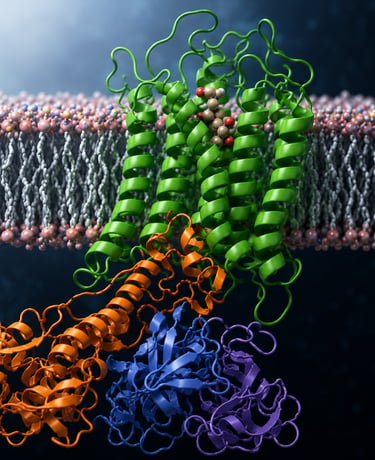
Understanding how molecular signaling and protein homeostasis govern neurological function and disease. Our work focuses on cannabinoid receptor biology and protein aggregation mechanisms underlying neurodegenerative disorders.
Biochemistry of Immune & Metabolic Regulation
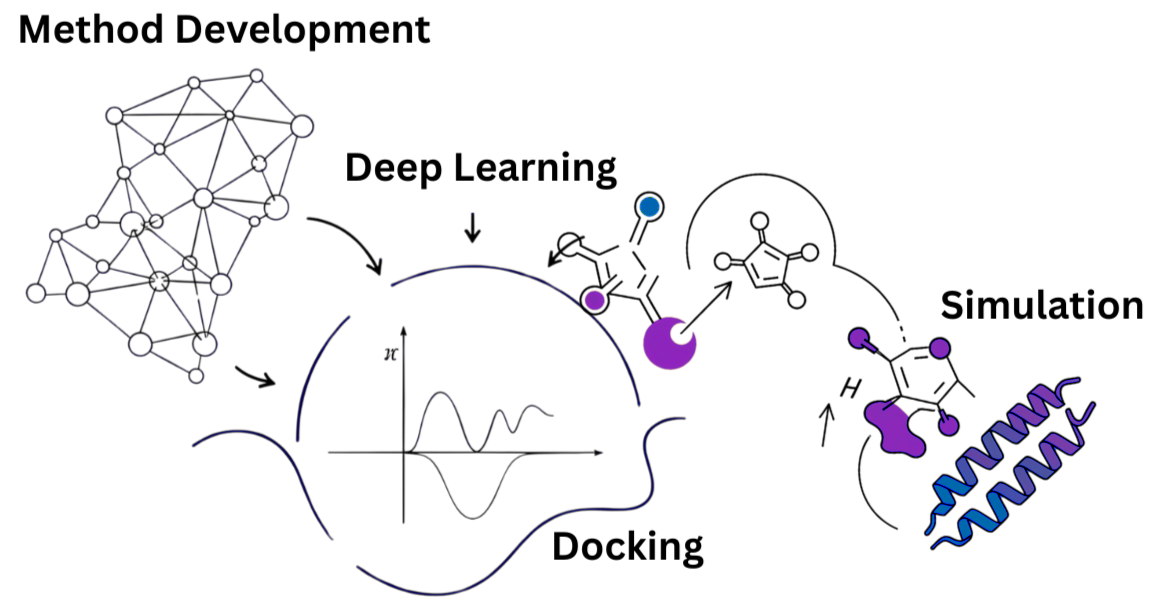
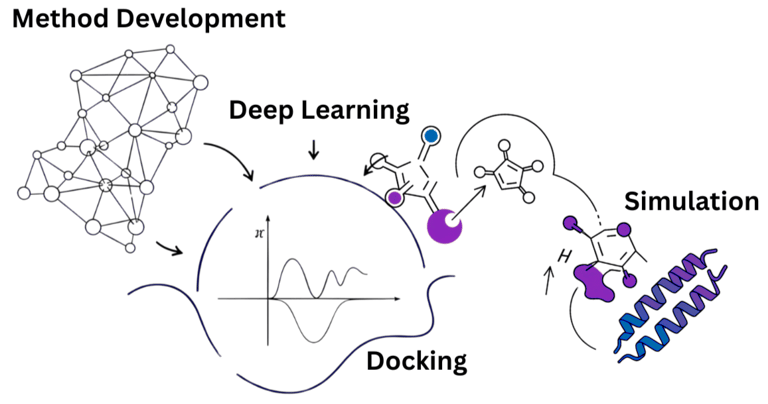
We develop computational, AI-enabled, and data-driven approaches to accelerate biomolecular discovery and therapeutic innovation. By integrating molecular simulations, machine learning, cheminformatics, structural biology, and experimental validation, we create predictive platforms that uncover molecular mechanisms, identify therapeutic opportunities, and support the discovery of next-generation therapeutics across diverse disease areas.
Targeting Immune Checkpoints
Biochemistry of Immune & Metaboloic Regulation
Applying AI-enabled and structure-based discovery approaches, we develop rapid-response strategies for emerging infectious diseases and future pandemic threats. Our research integrates molecular simulations, machine learning, and experimental validation to identify novel therapeutic opportunities.
Our team discovered a previously unrecognized inactivation mechanism of the SARS-CoV-2 main protease (Mpro), opening new avenues for antiviral drug discovery and next-generation therapeutic development.
Metabolic enzymes regulate lipid signalling, cellular energy balance, and immune homeostasis. Our research combines molecular simulations, enzymology, biophysical characterization, and experimental validation to uncover mechanisms of enzyme regulation and identify new opportunities for therapeutic intervention.
Research Focus
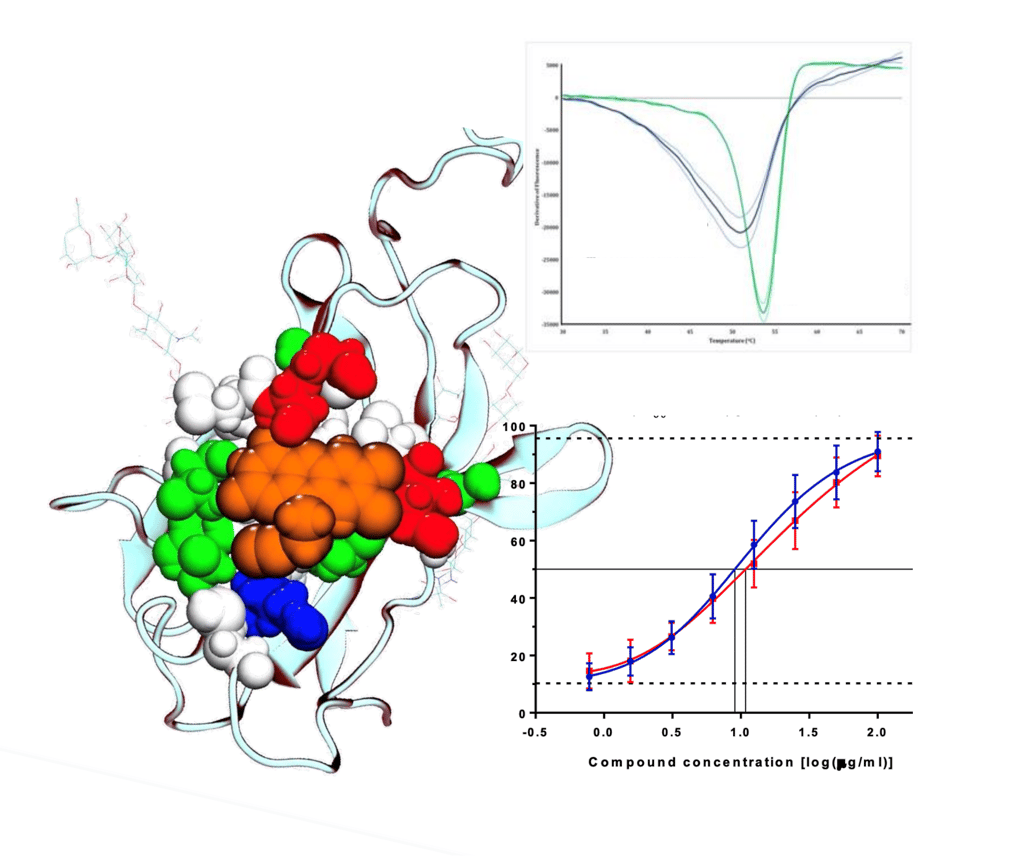
VISTA structure and dynamics
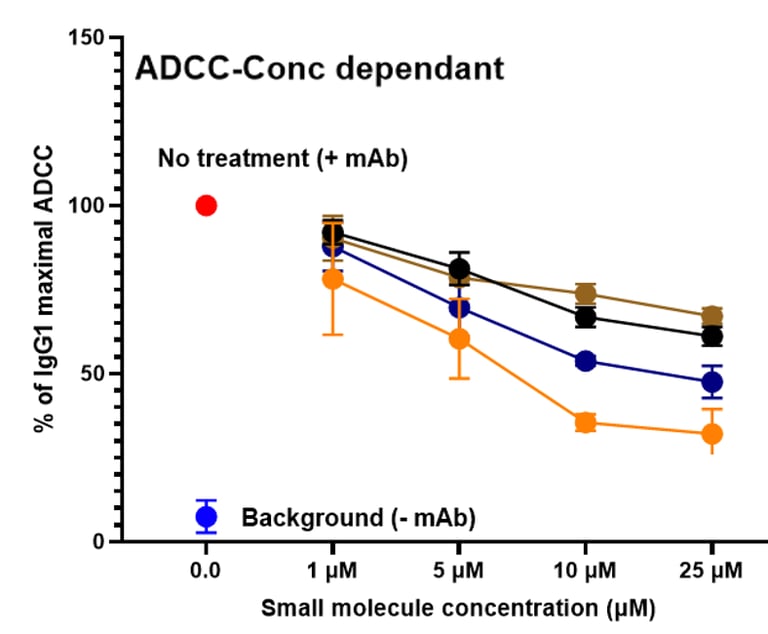
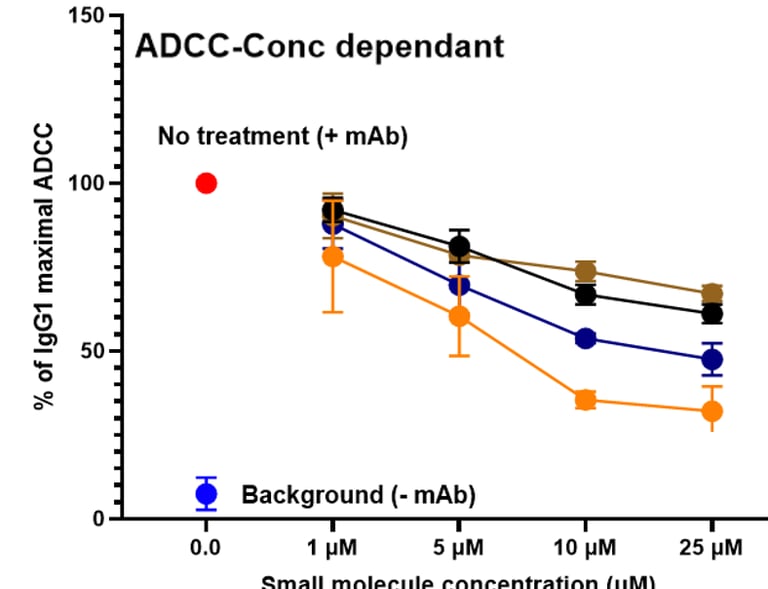
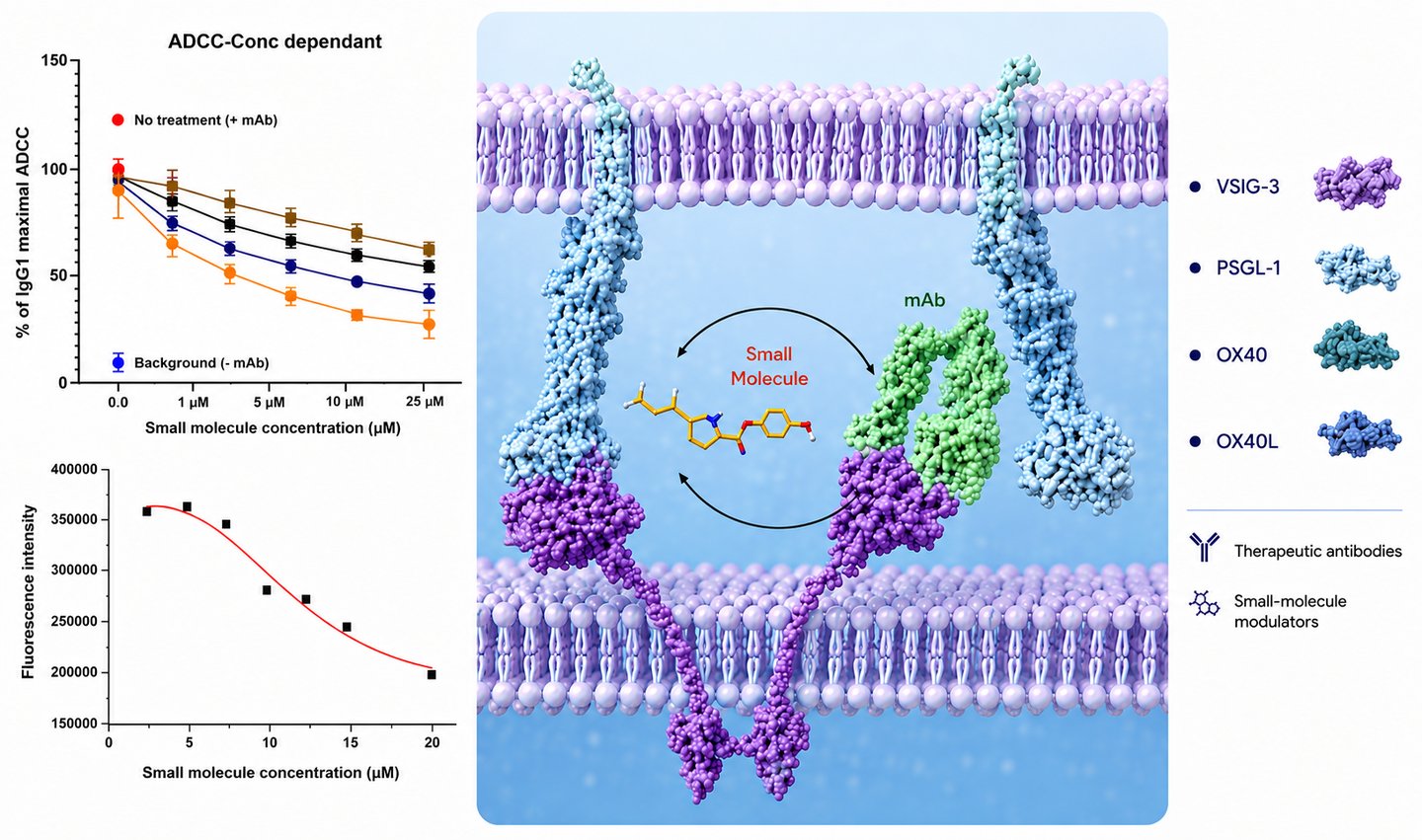
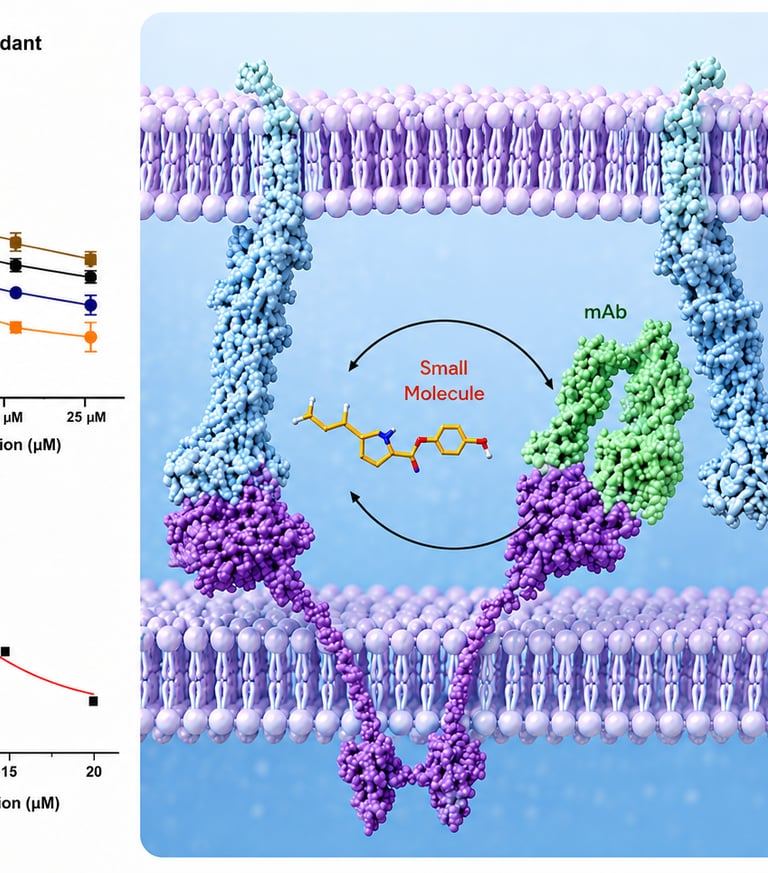
VISTA interactions with VSIG-3 and PSGL-1
OX40/OX40L axis
Small molecule discovery
Enzyme regulation and allostery
Hidden conformational states
DAGLβ
Phosphoglycerate kinases
Structure-guided inhibitor discovery
Research Focus
AI-Enabled Biomolecular Discovery & Therapeutic Innovation
Cellular metabolism and immune regulation are tightly interconnected processes that govern tissue homeostasis, inflammation, and disease progression. Our research seeks to understand how metabolic enzymes and immune regulatory proteins control signaling networks within healthy and diseased cells. By integrating computational modelling, biochemical characterization, and therapeutic discovery, we aim to identify novel targets and develop innovative strategies for cancer, inflammatory disorders, and human disease.
Computational Method Development & AI Innovation
Translational Therapeutics & Emerging Targets
Immune checkpoint pathways regulate the balance between immune activation and suppression. Our research examines the structural and biochemical basis of checkpoint receptor function, including ligand recognition, receptor activation, and signalling within the tumour microenvironment. By integrating computational modelling, biochemical assays, and therapeutic discovery, we aim to develop next-generation cancer immunotherapies.
ArGansLab Platforms
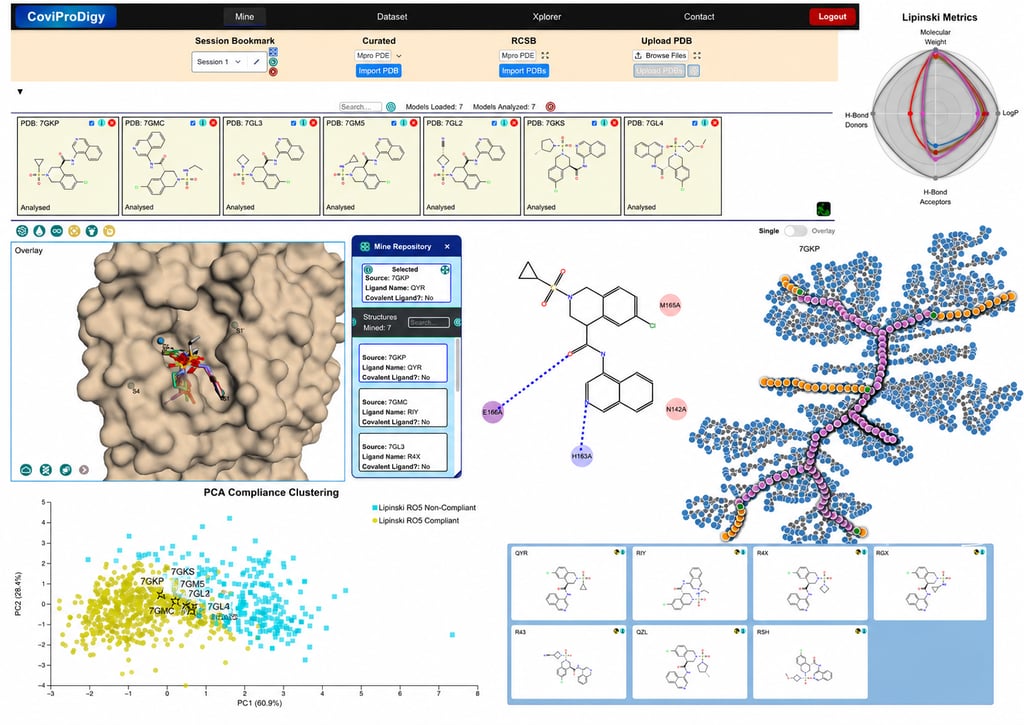
CB-SmartPred | Pi-Pi Hunt | MDTracker | ClusterPred | CoviProdigy
We develop innovative computational and AI methodologies for analysing biomolecular systems and extracting actionable biological insights. These approaches form the foundation of our predictive platforms for target characterization, mechanism discovery, and therapeutic innovation.
FUNDING SUPPORT
━━━
The research activities of ArGansLab are supported through competitive funding from national research agencies and foundations dedicated to advancing biomedical discovery, therapeutic innovation, and scientific training. Their investment empowers us to push the frontiers of biomedical science, develop next-generation therapeutic solutions, and create lasting impact on human health.








ArGansLab
Office: BA407 | Research Lab: SR316
Department of Chemistry & Biochemistry, Wilfrid Laurier University
75 University Ave. West, Waterloo, ON N2L 3C5 Canada
✉ Email: aganesan@wlu.ca
☎ Phone: +1-5488894866
Connect with Us
"From molecular mechanisms to therapeutic discovery."
@2026 ArGansLab. All Rights Reserved. | Wilfrid Laurier University